
The options for stroke recovery include physical therapy, occupational therapy, speech and language therapy, medication management, pain management techniques, injections and nerve blocks, neuromodulation, and treatment for spasticity. Most people recover through a mix of these approaches, tailored to the areas the stroke affected.
At the Interventional Pain & Spine Center in Wexford, PA, stroke recovery is treated as an ongoing process that combines rehabilitation with medical care to help you regain function and comfort.
A stroke occurs when blood flow to part of the brain is interrupted, either by a blockage (ischemic stroke) or a bleed (hemorrhagic stroke). Brain cells begin to lose oxygen, and the areas of the body those cells control can be affected. Recovery is the process of the brain healing and rewiring itself (a concept known as neuroplasticity) and relearning lost skills.
No two strokes are the same. The immediate aftermath is a critical period focused on stabilizing the patient and preventing further damage. Once stable, the focus shifts to assessment and the start of rehabilitation. Common effects can include:
Weakness or paralysis on one side of the body
Difficulty with balance and coordination, leading to difficulty walking
Problems with speech or understanding language (aphasia)
Cognitive challenges, such as memory loss or confusion
Sensory changes, including numbness or pain
Emotional shifts, like depression or anxiety
Stroke rehabilitation is a coordinated program of therapies and medical care designed to help you achieve the highest possible level of independence and function. Managed by a team of specialists, it may combine physical, occupational, and speech therapy with medical treatments to address physical, cognitive, and emotional needs. Every plan is highly individualized.
Rehabilitation should begin as soon as the patient is medically stable, often within 24 to 48 hours of the stroke, even while still in acute care.
There is no fixed length. Some people need a few weeks of therapy, while others benefit from months or years of ongoing support. The duration depends on the severity of the stroke, the rate of progress, and personal goals, which are reviewed regularly and adjusted as you improve.
Rehabilitation can occur in several settings, and many people move through more than one as they progress:
Inpatient Rehabilitation Facility (IRF): Offers intensive therapy (at least 3 hours per day) in a hospital-like setting.
Skilled Nursing Facility (SNF): Provides less intensive therapy than an IRF.
Outpatient Clinic: Patients live at home and travel to a clinic for therapy sessions and follow-up visits.
Home Care: Therapists come to the patient’s home to provide services.
Priorities are tailored to the patient but generally include:
Mobility: Regaining the ability to walk, balance, and move safely.
Self-Care: Relearning activities of daily living (ADLs) like bathing, dressing, and eating.
Communication: Improving the ability to speak, understand, read, and write.
Cognition: Addressing issues with memory, problem-solving, and attention.
Stroke recovery usually involves a combination of therapies and medical treatments working together. At the Interventional Pain & Spine Center, we integrate the following options to manage symptoms and improve function.
Physical therapists focus on movement, strength, and balance. They guide patients through exercises to strengthen weak limbs, improve coordination, and relearn how to walk and stand safely. They may also teach patients how to use assistive devices like walkers or canes.
Occupational therapists help patients regain independence in daily activities, such as bathing, dressing, cooking, eating, writing, and personal hygiene. They focus on fine motor skills, cognitive strategies, and adaptive techniques, and may recommend home modifications or assistive equipment to enhance safety and function.
Speech-language pathologists (SLPs) work with patients who have aphasia (difficulty with language) or dysarthria (difficulty with the physical act of speaking).
Proper medication management is vital. This can include medications to prevent a future stroke (like blood thinners or cholesterol-lowering drugs), control blood pressure, manage nerve pain or muscle stiffness, and treat mood changes with antidepressants. Medication plans are reviewed regularly to match your changing needs.
Chronic pain is a frequent complaint after a stroke. It may be central pain, caused by damage to the brain itself, or musculoskeletal pain from weakness, muscle stiffness, and altered movement patterns. A comprehensive plan may include medications, physical modalities, and interventional procedures to keep you active in therapy and comfortable in daily life.
Targeted injections and nerve blocks can relieve localized pain and reduce muscle tightness that interferes with movement. Nerve blocks interrupt pain signals from a specific area, while injections of medications like botulinum toxin relax overactive muscles, improving range of motion and making therapy exercises more effective.
For certain types of chronic nerve pain that don’t respond to other treatments, neuromodulation may be an option. This advanced technique uses gentle electrical stimulation to alter nerve activity and block pain signals from reaching the brain.
Spasticity, or involuntary muscle tightness and stiffness, is a common and disabling condition after a stroke. It can cause pain, limit movement, and interfere with hygiene. Treatment is multifaceted and may include physical therapy, oral medications, and targeted injections to relax specific muscle groups and improve positioning.
Continuing the progress made in formal therapy is crucial. This means:
Consistently performing home exercise programs.
Using adaptive strategies learned in occupational therapy.
Staying socially engaged to practice communication skills.
Managing medications and attending all follow-up appointments.
Contacting your care team promptly if new symptoms appear or existing ones worsen.
Start early and stay consistent. Beginning therapy soon and practicing regularly supports the brain’s natural healing.
Actively participate. Be an engaged member of your rehabilitation team – your effort is the most important ingredient.
Set realistic goals. Break recovery into small, achievable steps and celebrate progress.
Manage pain proactively. Addressing pain early keeps you active and engaged in therapy.
Be patient and persistent. Recovery takes time; don’t get discouraged by plateaus.
Prevent another stroke. Follow medical advice on diet, exercise, smoking cessation, and medication.
Stay connected to your care team. Regular follow-ups allow treatments to be adjusted as you improve. Learn more about Dr. Muhammad Ali, who guides care at our practice.
Care for your whole self. Rest, nutrition, and emotional health matter as much as physical therapy – seek support from counselors, support groups, or your medical team.
Lean on your support system. Family, caregivers, and friends all play a vital role in a stronger recovery.
Stroke recovery is a challenging but hopeful journey that combines intensive rehabilitation with advanced medical care. The main options include physical, occupational, and speech therapy, along with medication management, pain management, injections and nerve blocks, neuromodulation, and spasticity treatment. Every plan is different, and progress can continue for months or longer with consistent effort and support.
Our team at the Interventional Pain & Spine Center in Wexford is available to help you build a plan that fits your needs.
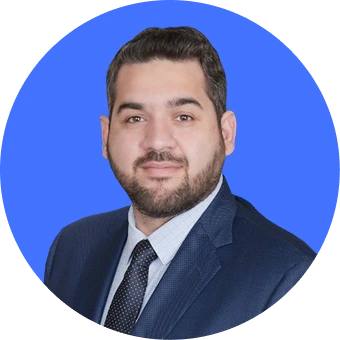
About the Author
Dr. Mohammad Ali, MD
Discover other insightful and engaging content from our blog